lunes, 25 de mayo de 2020

VALUE: BRIGHTNESS AND DARKNESS OF A COLOUR

SECOND ACTIVITY FOR 2ºESO CX students: Colour the template taking the image below as a guide. Print the template or draw the columns using the technical drawing tools.

By Sancho

DEADLINE
June 2nd Stock Illustrations – 103 June 2nd Stock Illustrations ...

martes, 19 de mayo de 2020

TEXTURE (PART II)

SECOND TASK: 
Draw nine different visual textures cubes. Write the name on one side or below the drawing.
Examples:


DEADLINE: May the 25th

lunes, 18 de mayo de 2020

DÍA INTERNACIONAL DE LOS MUSEOS

Hoy es un día especial para el Arte, es el DÍA DE LOS MUSEOS. Siempre se ha celebrado con exposiciones y actividades y los museos han estado abiertos hasta la madrugada. Este año, como tantas otras cosas, no es posible visitarlos físicamente pero sí virtualmente. No es lo mismo que situarse frente a una obra y apreciar sus colores reales, las pinceladas, la textura...pero es una buena toma de contacto. 

Google Arts & Culture (Google Art Project) | Biblioteca de la UOC


Existe una fantástica aplicación: Google Arts and Culture. Este es su enlace a la página donde puedes elegir el museo que deseas visitar:


Hay muchísimos y de todas partes de nuestro planeta!!!! También tienes una aplicación solo para móvil en la que puedes asistir a exposiciones en realidad aumentada. Investiga!!

Tu próxima tarea consiste en visitar uno o varios museos, escoger una obra y realizar una interpretación utilizando la técnica que prefieras y haciendo uso de lo aprendido hasta ahora. Al finalizar, envíame una imagen de la obra escogida con sus datos (nombre del museo, autor, año) y otra imagen de tu interpretación. 
Fecha máxima de entrega: lunes 25 de mayo

domingo, 10 de mayo de 2020

TEXTURE (PART I)


Initial questions:
*Do you know what a texture is?
*Touch some objects you have around you. What do you feel when touching them?
*Look at the objects and textiles around you. Do you see any          texture?
*Do artists use Textures in Art?

Whenever you talk about the surface quality of an object, you are discussing its texture.

Texture is the element of art that refers to the way things feel, or look as if you could feel if touched (the illusion of touch).

Types of textures

Natural texture. It's the texture we find and it is not made by humans. For example: stones, sand, rice, etc.

Madera, Corteza, árbol, Textura, árbol, Tronco Fotos, Retratos ...

Artificial texture. It's the texture from things made by humans. For example: a pencil, a chair, a raincoat, etc.

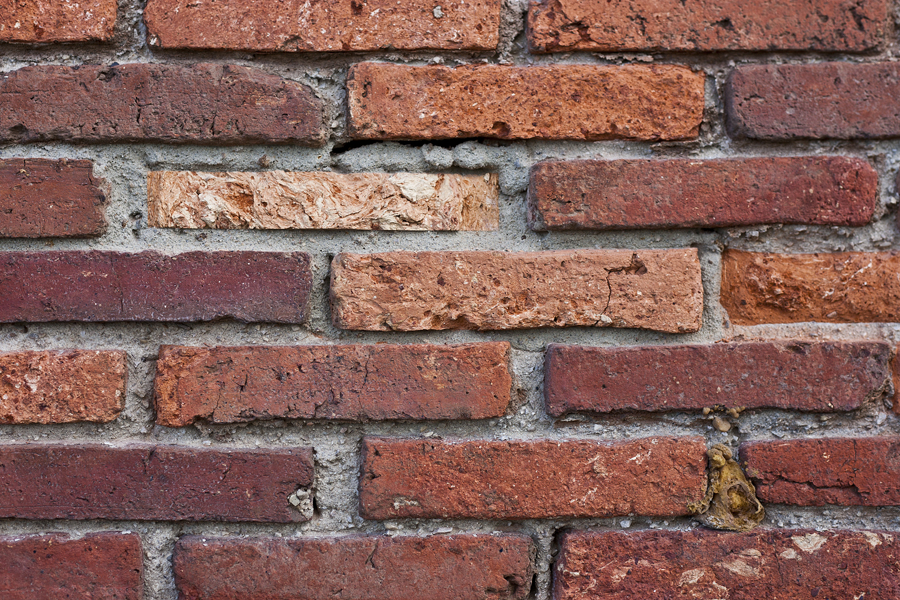
textura de ladrillo | Warriorsfoto

Tactile texture is the tactile quality of a surface, such as rough, smooth, sticky, fuzzy, soft or slick. A real texture is one you can actually feel with your hand, such as a piece of sandpaper, a wet glass, or animal fur. 

Fotos gratis : textura, patrón, rojo, ropa, mueble, rosado, paño ...

Visual texture is a visual quality of a surface. It is the result from painting or drawing as the real texture.  Visual texture is an illusion of texture created by an artist. Paint can be manipulated to give the impression of texture, while the paper surface remains smooth and flat.  
Tatuaje Plumas PNG transparente - StickPNG
 Dibujos de animales realistas archivos - Dibujos en Acción


FIRST TASK:


Print this image and complete the blank areas imitating the texture drawn in each box. If you don't have a printer, draw the grid and try to imitate the different textures.

Final result in your artist's book:


DEADLINE: May the 18th

COLOUR

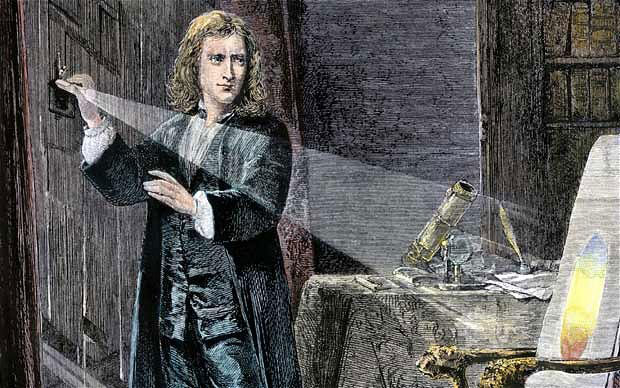
Resultado de imagen de isaac newton
Sir Isaac Newton developed a sophisticated theory of colour based on the observation that a prism separate white light into the colours of the visible spectrum.

Resultado de imagen de visiblew spectrum

The visible spectrum is the portion of the electromagnetic spectrum that is visible to the human eye. Electromagnetic radiation in this range of wavelengths is called visible lightor simply light. A typical human eye will respond to wavelengths from about 380 to 740 nanometers. In terms of frequency, this corresponds to a band in the vicinity of 430–770 THz.

Imagen relacionada

Imagen relacionada

YOUR TASK consists of placing on three circles (two small circles and another a bit bigger) the three primary colours, the trhee secondary colours and the eight tertiary colours. use ONLY three colour pencils: magenta, lemon yellow and blue and get the secondary and tertiary colours by mixing them. Example:
DEADLINE: May the 18th.


Laura Carlot, 2ºB ESO